logo

Which Hormone Deficiency Is Responsible for Diabetes Mellitus?

5 min read 2026-03-13
Which Hormone Deficiency Is Responsible for Diabetes Mellitus?

When you think of diabetes mellitus, most of us immediately think about high blood sugar and chronic disease. But the core of diabetes mellitus involves an imbalance in the hormone called insulin.

Understanding which hormone deficiency is responsible for diabetes mellitus isn’t just academic; it shapes how you think about prevention, diagnosis, and treatment.
What is Insulin?

Insulin is an endocrine hormone and a protein secreted by β cells of the pancreas. Insulin is released in the blood after glucose intake through a process known as glucose-induced insulin stimulation.

Insulin deficiency in the pancreas causes persistent high blood glucose, disrupts normal glucose balance, and reduces glucose uptake by body cells.

Overall, glucose metabolism is controlled by a highly coordinated network of hormones and neuropeptides. These signals originate mainly from the pancreas, liver, intestines, brain, muscle, and adipose tissue, working together to maintain stable blood glucose levels.

Diabetes Mellitus and Insulin

Diabetes mellitus is a metabolic disorder caused by defective insulin secretion from pancreatic beta cells and by the body's inability to respond appropriately to insulin.

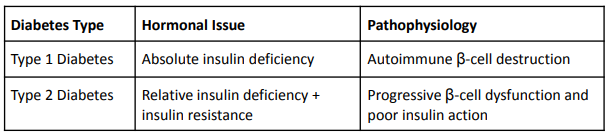
Type 1 Diabetes: Autoimmune destruction of pancreatic β-cells leads to a complete lack of insulin production. This results in uncontrolled hyperglycemia unless external insulin is provided.

Type 2 Diabetes: Here, the main issue is a combination of insulin resistance and relative insulin deficiency. Muscle and fat tissues respond poorly to insulin. Although the body initially produces more, pancreatic β-cells eventually fail to meet demand, resulting in insufficient insulin.

The borderline difference between type 1 and type 2 diabetes mellitus:

diabetes-type-difference

Understanding Diabetes Through the Role of Insulin

At its core, diabetes mellitus is a disorder of insulin. Without enough insulin, or without the body responding to it, the body cannot maintain normal glucose levels.

The management strategies for insulin therapy in Type 1 diabetes and medications that improve insulin sensitivity in Type 2 diabetes are built on this hormonal foundation.

Disclaimer

The information provided herein is only intended to bring general awareness among the patients, and the same shall not be considered as a substitute for prescription or medical advice. Patients shall consult the registered medical practitioners before buying or taking any prescription drugs. USV Private Limited does not promote the use of any drug nor validate the studies referred herein, and disclaims all the liabilities arising from the use of the information or any drug. Copying, circulation, and distribution of this content is strictly prohibited.


RELATED BLOGS

image-removebg-preview (36) (1)

USV Private Limited Arvind Vithal Gandhi Chowk, BSD Marg, Station Road, Govandi East, Mumbai - 400 088. India.

We are here to guide you


Explore Our Businesses

Explore


Follow us on :

LinkedIn_logo_initials

Privacy PolicyCSR PolicyTerms and conditions

© 2026 USV Private Limited. All Rights Reserved

Which Hormone Deficiency Is Responsible for Diabetes Mellitus?