logo

What Are the 10 Warning Signs of Diabetes and How to Respond Early

5 min read 2026-02-26
What Are the 10 Warning Signs of Diabetes and How to Respond Early

Diabetes is a chronic metabolic condition that affects how the body processes glucose, an essential source of energy. It develops when the body does not produce enough insulin, cannot use insulin effectively, or both.

In many cases, diabetes progresses gradually, and early symptoms may be mild or overlooked. As a result, individuals may remain undiagnosed for extended periods, increasing the risk of long-term complications.

The most common question at such times is, “What are the 10 warning signs of diabetes?” This article explains the physical changes and symptoms that commonly appear as blood glucose levels remain elevated over time. Knowing these may help reduce the risk of long-term complications affecting the heart, kidneys, nerves, eyes, and blood vessels.

Why Early Detection Matters

Recognising early symptoms plays a critical role in reducing the long-term impact of diabetes. Early detection allows for timely diagnosis, regular monitoring, and professional guidance on appropriate lifestyle changes and treatment options. When identified at an early stage, diabetes can often be managed more effectively, helping maintain stable blood sugar levels and supporting overall health.


  1. Frequent Urination (Polyuria): One of the most common indicators of elevated blood sugar is an increase in the frequency of urination, particularly during the night. When glucose levels in the blood are excessively high, the kidneys are unable to reabsorb the filtered glucose. This excess sugar enters the urine, pulling fluids from the body's tissues through osmotic pressure. This process, known as osmotic diuresis, results in a significantly higher volume of urine production.

  2. Increased Thirst (Polydipsia): Closely linked to frequent urination is an unquenchable sense of thirst. As the body loses significant amounts of fluid through polyuria, it enters a state of dehydration. The brain triggers the thirst mechanism as a corrective measure to replenish these lost fluids. Patients often find that even after consuming large quantities of water, the sensation of a dry mouth or intense thirst persists.

  3. Increased Hunger (Polyphagia): In a healthy metabolic system, the body converts food into glucose, which insulin then helps transport into cells for energy. In individuals with diabetes, this process is disrupted. Whether the body lacks sufficient insulin or the cells become resistant to its effects, the energy from glucose cannot reach the cells. This creates a state of cellular starvation, prompting the body to signal for more food, even shortly after a meal has been consumed.

  4. Unexplained Weight Loss: While increased hunger often leads to higher caloric intake, many individuals experiencing the onset of diabetes witness a sudden drop in weight. When the body cannot utilise glucose for energy, it begins to break down muscle tissue and stored fat for fuel. Additionally, the loss of sugar through frequent urination means a loss of calories, leading to rapid and unintentional weight reduction.

  5. Fatigue: The inability of cells to access glucose, the body's primary fuel source, results in a profound and persistent sense of exhaustion. This fatigue is not merely the result of physical exertion; it is a systemic lack of energy at the cellular level. Dehydration from frequent urination further compounds this feeling, leaving individuals feeling lethargic even after adequate rest.

  6. Blurred Vision: High levels of glucose in the bloodstream can affect the various tissues of the eye. Excess sugar can cause the lens of the eye to swell, altering its shape and changing its ability to focus properly. This results in temporary blurred vision. If blood sugar levels remain uncontrolled over a long period, it may lead to more permanent damage to the blood vessels in the retina, a condition known as diabetic retinopathy.

  7. Slow-Healing Wounds or Cuts: High blood sugar affects the body's natural healing processes in several ways. It can lead to poor blood circulation, which prevents essential nutrients and oxygen from reaching a wound site to facilitate repair. Furthermore, elevated glucose levels can impair the function of white blood cells, which are responsible for fighting off bacteria and closing wounds. Consequently, minor cuts, scrapes, or bruises may take weeks or months to heal.

  8. Tingling or Numbness in Hands and Feet: Prolonged exposure to high blood glucose can lead to nerve damage, scientifically referred to as diabetic neuropathy. This typically begins in the extremities. Individuals may experience a "pins and needles" sensation, burning pain, or a complete loss of feeling in the hands and feet. This is a significant warning sign that the nervous system is being impacted by metabolic imbalance.

  9. Dark Patches on the Skin: A specific skin condition called Acanthosis Nigricans can be a visible indicator of insulin resistance. This presents as dark, velvety patches of skin, typically appearing in the folds and creases of the body, such as the neck, armpits, or groin. This darkening occurs because high levels of insulin can cause skin cells to reproduce more rapidly than usual, resulting in a thickened, pigmented appearance.

  10. Frequent Infections: Bacteria and yeast thrive in environments with high sugar levels. Consequently, individuals with elevated blood glucose are more susceptible to various infections. These may include frequent vaginal or oral yeast infections (candidiasis), skin infections, or urinary tract infections. The weakened immune response associated with chronic high sugar further complicates the body’s ability to clear these pathogens.

Importance of Consulting a Doctor

Symptoms associated with diabetes can often overlap with those of other medical conditions, making self-diagnosis unreliable. Consulting a registered medical practitioner is essential for an accurate assessment based on clinical evaluation and appropriate laboratory investigations.

A healthcare provider may recommend tests such as Fasting Plasma Glucose, Post-prandial Plasma Glucose or Glycated Haemoglobin (HbA1c) to establish a clear diagnosis. Professional guidance ensures that findings are interpreted correctly and that any management plan is evidence-based, individualised, and aligned with the person’s overall health profile, supporting safe and effective long-term care.

Steps to Stay Healthy

Maintaining overall health is central to both preventing diabetes and responding appropriately when understanding what the 10 warning signs of diabetes are, as early lifestyle choices can significantly influence long-term outcomes.


  1. Adopt balanced nutrition: Prioritise whole foods such as vegetables, whole grains, lean proteins, and fibre-rich meals. Limiting refined sugars and processed foods supports stable blood glucose regulation.

  2. Stay physically active: Regular movement improves insulin sensitivity and supports cardiovascular health. Choose activities that can be sustained consistently, such as walking, cycling, or structured exercise.

  3. Maintain a healthy body weight: Gradual, realistic weight management can positively influence metabolic function and overall well-being.

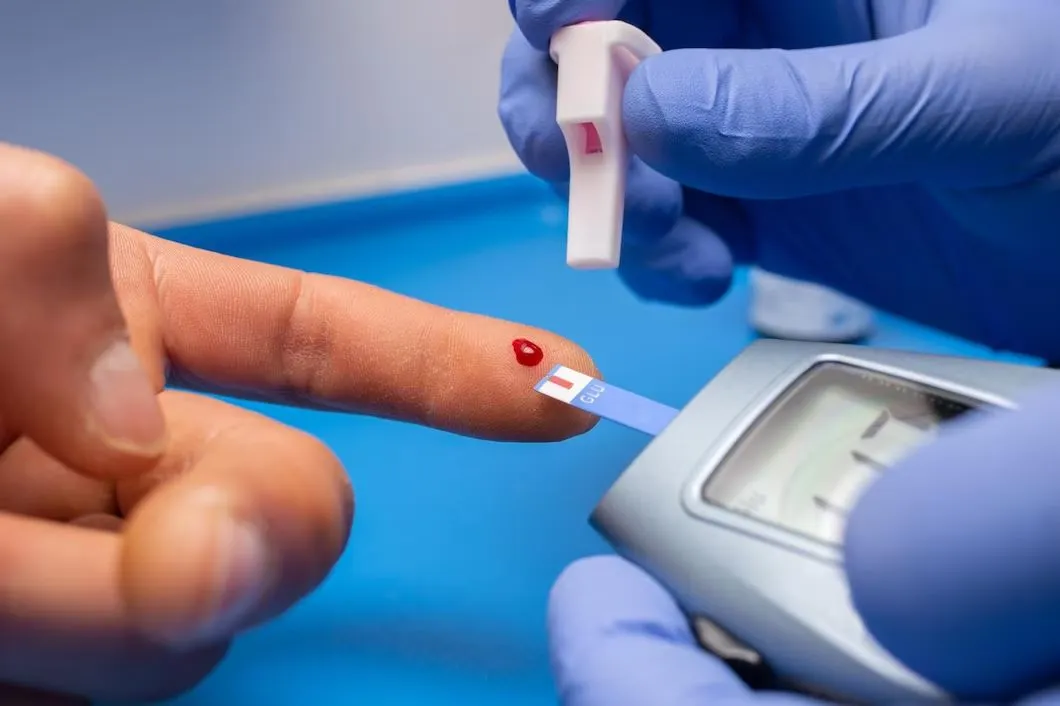
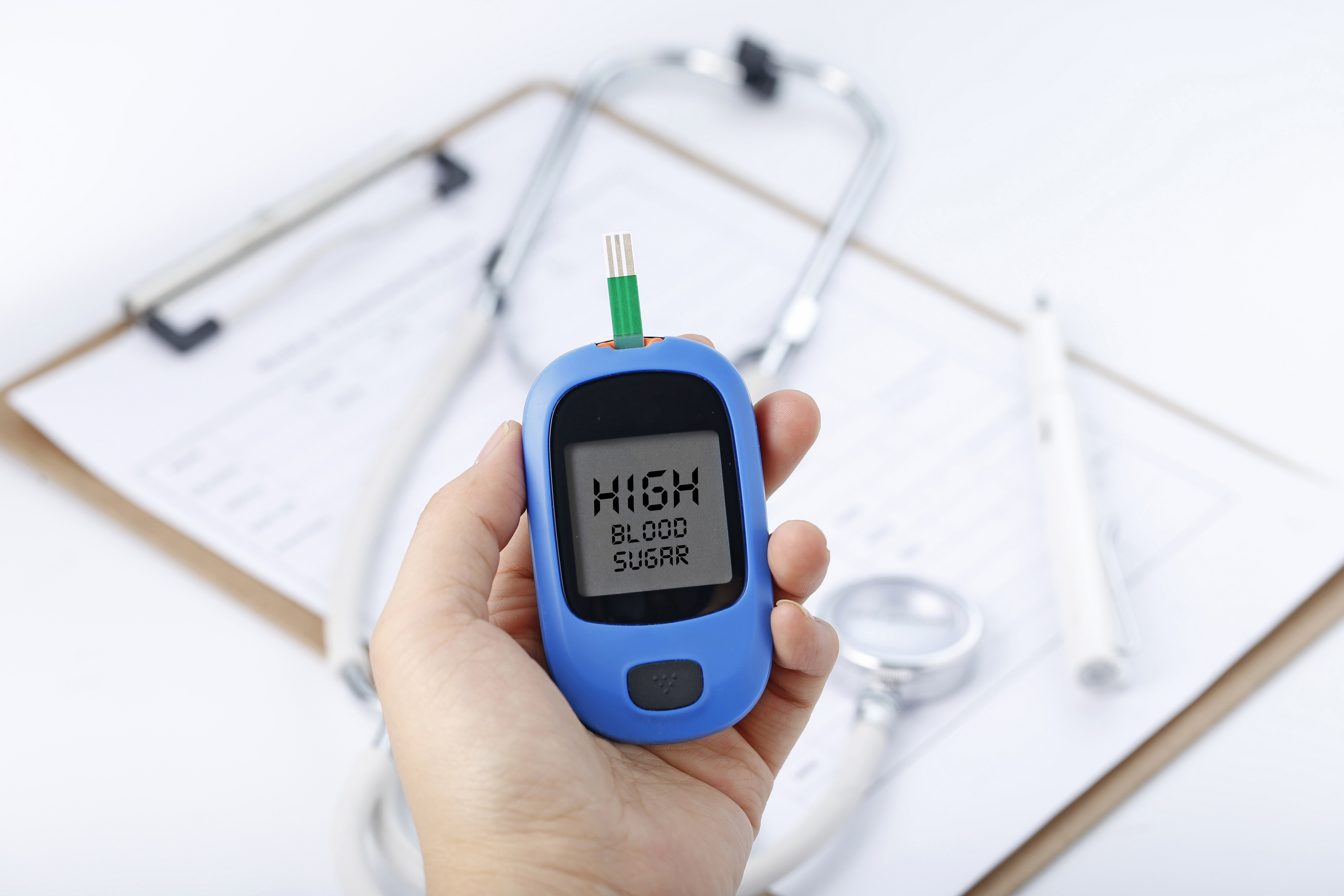
  4. Monitor health indicators: Routine blood glucose checks and periodic health screenings help identify changes early and support informed medical guidance.

  5. Manage stress effectively: Chronic stress may affect glucose balance. Practices such as adequate sleep, relaxation techniques, and stress-awareness strategies can be beneficial.

  6. Seek regular medical guidance: Ongoing consultations ensure that preventive or management approaches remain appropriate as individual health needs evolve. Together, these steps promote informed decision-making and support sustainable health outcomes under professional supervision.

Strengthening Health Through Informed Choices

Diabetes often develops quietly, allowing early symptoms to go unnoticed until complications arise. Building awareness and responding promptly to bodily changes are essential steps in reducing long-term health risks.


Understanding what the 10 warning signs of diabetes are enables individuals to seek timely medical evaluation, make informed lifestyle adjustments, and engage proactively with preventive care.

Disclaimer

The information provided herein is only intended to bring general awareness among the users and the same is not intended to substitute for professional medical advice, diagnosis, or treatment. Readers shall consult their registered medical practitioners before taking any drug and taking any decision based on the information. USV Private Limited disclaims all the liabilities arising from use of the information. Copying, circulation and distribution of this content is strictly prohibited.


RELATED BLOGS

image-removebg-preview (36) (1)

USV Private Limited Arvind Vithal Gandhi Chowk, BSD Marg, Station Road, Govandi East, Mumbai - 400 088. India.

We are here to guide you


Explore Our Businesses

Explore


Follow us on :

LinkedIn_logo_initials

Privacy PolicyCSR PolicyTerms and conditions

© 2026 USV Private Limited. All Rights Reserved

What Are the 10 Warning Signs of Diabetes and How to Respond Early