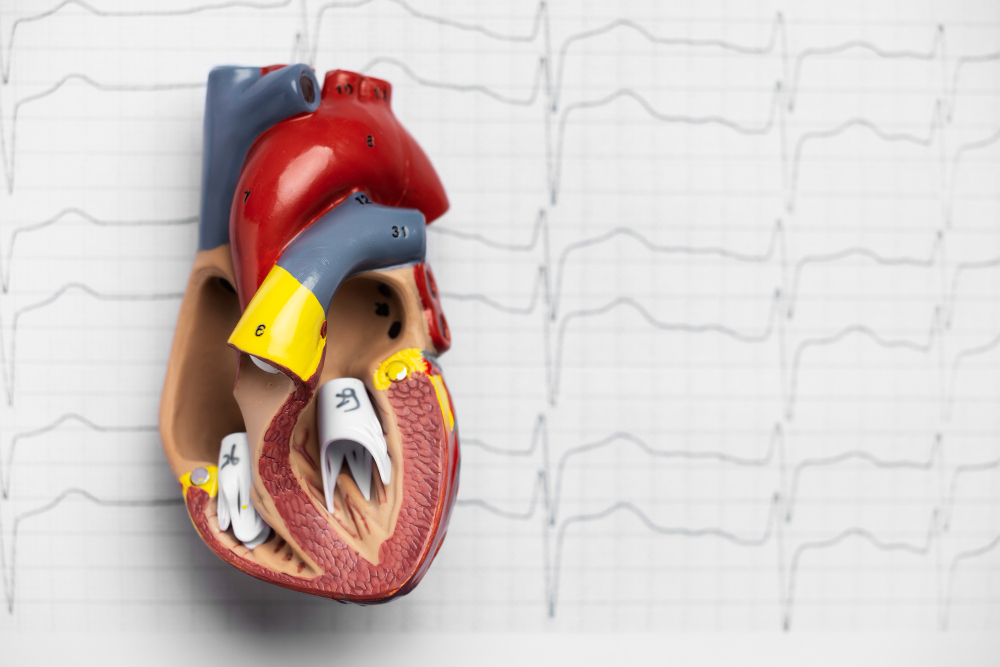
After an acute coronary syndrome, around 20–30% of patients report high levels of anxiety.3 This highlights a two-way relationship, while heart problems can trigger anxiety, anxiety itself is also linked to a higher risk of developing cardiovascular disease.
So, what exactly happens to the heart during stress?
● Acute stress (short-term):
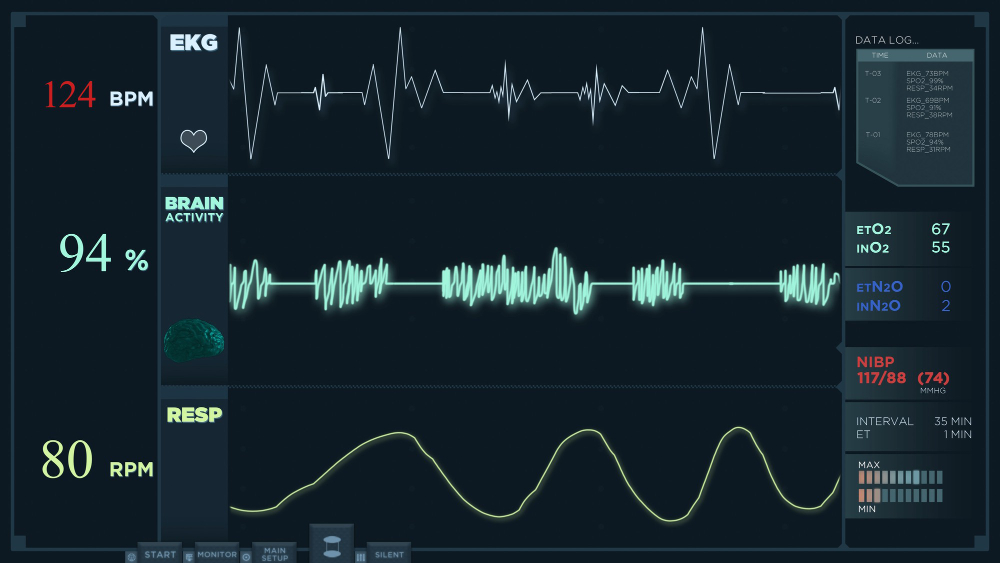
Triggered by immediate challenges, it activates the body’s fight-or-flight response. This leads to an increased heart rate, stronger heart contractions, and redirection of blood flow to major muscles.
● Chronic stress (long-term):
When stress persists over time, it can place continuous strain on the heart and body, raising the risk of cardiovascular disease, anxiety, and depression.
Supporting this link, a meta-analysis found that higher levels of stress hormones, such as epinephrine, norepinephrine, and cortisol, which are released during anxiety, are associated with a significantly increased risk of cardiovascular problems.